Local SEO for Home Service Businesses: How Accurate Service Areas Can Improve Lead Generation
Local lead generation often breaks down in one predictable place: the business says it serves a broad region, but Google, the website, and the actual customer experience do not line up. That mismatch costs calls.
For home service companies, especially contractors who travel to the customer, service area accuracy is not a small profile setting. It shapes how a business appears in search, how relevant its website feels, and whether a prospect trusts the company enough to call. I have seen the same pattern across trades. A contractor wants broader reach, so the business profile and site language become vague, inflated, or inconsistent. The result is less clarity, weaker local signals, and lower lead quality.
When the service area is specific and honest, lead generation usually improves for a simple reason: the business becomes easier to understand. Google can better connect the company to local searches, and homeowners can quickly tell whether they are in range. That reduces wasted clicks and increases the odds that the right person contacts you.
This matters whether you are refining a plumbing website design, reworking an electrician website design, or rebuilding a contractor website that generates leads from the ground up. It also matters for specialty trades with larger project values, such as foundation repair website design, water damage restoration website design, kitchen and bath remodeling website design, solar company website design, and fence contractor website design. The principle stays the same. Accuracy beats sprawl.
What Google actually expects from service-area businesses
A lot of confusion starts with the business profile itself. For service-area contractors in the U.S., Google allows a Business Profile with one central office or location and a designated service area. If you do not meet customers at your address, Google says you should hide the address and provide a phone number or website that represents that location. For many contractors, that is the correct setup.
That point is more important than it looks. Some businesses still treat their listing like a storefront profile even though customers never visit. Others create local expectations that the real-world business cannot support. Neither approach helps. A Google Business Profile for contractors works best when it mirrors operations as they actually happen. If you travel to the customer, represent yourself that way.
Google also recommends keeping service areas accurate and specific. Service-area businesses can define them by cities, ZIP codes, or other places served. The practical takeaway is straightforward: do not treat the service area field like a wish list. Treat it like an operational map.
A verified profile helps customers find the business on Search and Maps and shows basics like hours, phone, and website. It can also direct customers to additional destinations such as a website, social profiles, and booking links. That means the profile is not only a visibility tool. It is a routing tool. If the destinations it points to are weak, slow, or unclear about where you work, you create friction right when the lead is trying to choose.
Why accurate service areas improve lead generation
Lead generation improves when relevance improves. That sounds obvious, but it has a very practical meaning in local search. A homeowner searching for a plumber, electrician, remodeler, or restoration company is usually trying to solve a location-specific problem. They are not conducting broad market research. They want to know, fast, whether you serve their neighborhood and whether contacting you will go anywhere.
When your business profile says one thing, your website says another, and your intake team handles calls as if the territory is narrower than both, homeowners notice. Some will bounce without calling. Others will call, learn they are outside your service area, and never return. In either case, marketing dollars and search visibility get spent on the wrong audience.
The reverse also happens. A company may actually serve several strong nearby cities but mention only its home city on the website. That leaves demand on the table. The issue is not whether to be broad or narrow. The issue is whether the service area is represented with enough precision to match reality.
For anyone asking how to get more leads for contractors, this is one of the clearest places to start. Better service-area targeting tends to improve three things at once: the quality of inquiries, the consistency of local signals, and the usefulness of your site to real buyers.
The website has to support the profile
A Google profile can get the click, but the website often earns the call. That is where many contractor lead generation website projects either pay off or stall out.
If your website serves as the destination from your Business Profile, it should make geographic coverage obvious without forcing visitors to hunt for it. This does not require gimmicks. It requires clean presentation, accessible pages, and local detail that feels grounded.
Google’s technical guidance also matters here. Pages need to be publicly accessible and not blocked if you want them indexed. That sounds basic, yet local sites routinely hide useful service pages behind technical mistakes, noindex settings, blocked resources, or awkward site structures. A city page no one can access from navigation or search is not doing much work.
The website should also be fast and usable. Google recommends good Core Web Vitals for search success, with targets of LCP under 2.5 seconds, INP under 200 milliseconds, and CLS under 0.1. Google also points to broader page experience factors such as mobile friendliness, HTTPS, and avoiding intrusive interstitials that interfere with the main content.
For home service companies, those recommendations are not abstract performance metrics. They shape whether a panicked customer stays long enough to call. On a water damage restoration website design project, mobile speed and clarity matter because the customer may be standing in a wet kitchen holding a phone. On a kitchen and bath remodeling website design, slower consideration is normal, but visitors still need a clean mobile experience and clear service area information before they bother filling out a form. On a solar company website design, homeowners may compare multiple providers and quickly discard vague sites. In each case, speed and clarity support lead generation.
Broad claims feel impressive, specific claims convert better
Many contractors are tempted to say they serve “the entire region” or “all surrounding areas.” That language feels expansive, but it usually weakens the page. It tells the visitor very little and gives Google very little to interpret with confidence.
Specificity works better. Not because it is flashy, but because it lowers uncertainty.
If you serve certain cities, neighborhoods, ZIP codes, or counties, say so where appropriate. If your coverage differs by service type, reflect that reality. A foundation repair company may handle one set of cities for inspections and another for full crews. A fence contractor may serve a tighter radius for repairs than for new installations. A remodeler may take projects farther from the office only when the project size justifies travel time. Those distinctions matter.
This is where judgment comes in. Service area accuracy is not about dumping every place name onto one page. It is about organizing territory in a way that matches how the business operates and how customers search.
What good service-area content looks like on a contractor site
The strongest local pages tend to feel useful rather than stuffed. They answer a few practical questions clearly. Do you work here? What service do you provide here? How should the customer contact you? If there are service constraints, are they obvious enough to save both sides time?
A contractor website that generates leads usually does a few simple things well. It connects the trade, the location, and the next step without burying the visitor in generic copy. It also learn more avoids pretending every city is identical. Local pages do not need novels, but they should not read like cloned templates with swapped place names.
Here are five signals that usually separate a useful local page from a weak one:
- The page clearly states the service and the area it covers.
- Contact options are easy to find on mobile.
- The page loads quickly and does not jump around as content appears.
- The business details match what appears on the Business Profile.
- The page is accessible to search engines and not hidden or blocked.
That applies whether you are building pages for plumbing website design, electrician website design, or a larger regional buildout for foundation repair website design. The trade changes the buying cycle, but the page still has to answer location and intent clearly.
Reviews matter, but only if they reflect real service
Reviews are part of local lead generation, but they should be handled with discipline. Google’s guidance is clear that reviews must reflect genuine experiences and that incentives for reviews are prohibited. Businesses can ask customers to leave reviews, use a Google review link or QR code, and should respond promptly.
For service-area contractors, this intersects with territory in an important way. If your review profile reflects real work across the places you actually serve, it reinforces credibility. If reviews come in but your coverage is vague or inconsistent, you lose some of that value because the customer still does not know whether you work in their area.
The strongest approach is simple. After real jobs, ask for reviews consistently. Make leaving one easy. Then respond like an operator who cares about communication. That helps both reputation and conversion because future customers can see that the business is active and responsive.
I would not treat reviews as a substitute for service-area clarity. They support it. A homeowner may appreciate five strong reviews, but if they cannot tell whether you serve their ZIP code, they may still move on.
Missed calls can quietly drain local SEO returns
A lot of local SEO conversations focus on rankings and page content, but lead handling matters too. Google’s guidance around local services and leads shows that missed-call handling matters. If a customer misses a call and stays on the line long enough, that can qualify as a lead in that environment, and quick replies are supported directly in the leads workflow.
Even without stretching beyond that guidance, the business lesson is obvious. Local visibility creates opportunity, but responsiveness turns that opportunity into revenue. If your Business Profile, service pages, and reviews earn the call, a slow callback process can erase the gain.
That is one reason accurate service areas help more than rankings alone. Better geographic targeting usually means fewer irrelevant calls and more calls from homeowners you can actually serve. That improves the odds that your team responds quickly and usefully, because the conversation starts in the right place.
Structured data helps reinforce local business details
On the technical side, local business structured data gives websites a way to mark up details such as business hours, departments, address, geo information, and phone numbers. Used properly, it helps Google understand local business information.
This is not a silver bullet, and it should not distract from stronger fundamentals like page quality or service-area accuracy. Still, when a site is already in good shape, structured data can reinforce the business details that matter in local search. For contractors with multiple service pages or departments, clean markup can help reduce ambiguity.
The key is alignment. Your structured data, visible on-page details, and Business Profile information should not contradict one another. If they do, you create mixed signals at exactly the moment you want clarity.
Different trades need different service-area emphasis
Not every home service business should present service areas the same way. The underlying Google rules are consistent, but the marketing emphasis shifts by trade.
Emergency categories often need tighter, faster communication. A water damage restoration website design should make service range, phone access, and mobile speed immediately obvious. There is very little patience in that buying moment.
Project-based trades have more room for education, but they still need geographic clarity early. A kitchen and bath remodeling website design can support deeper browsing, yet homeowners still want to know whether a consultation is realistic before investing time in galleries and forms.
Inspection-driven and high-ticket trades sit somewhere in the middle. With foundation repair website design or solar company website design, the customer may compare providers and do more reading before contact. In those cases, local trust signals, a verified business profile, and accurate service area content work together.
Trades with a dense local footprint, such as plumbing website design or electrician website design, often benefit from especially disciplined territory messaging because service calls can vary so much by distance, urgency, and dispatch availability.
Even fence contractor website design has its own wrinkle. Installation territory may be broader than repair territory, and seasonal demand can change scheduling realities. When the website reflects those nuances in a clear way, the business looks more credible.
A practical way to clean up service-area messaging
Most companies do not need a massive rebuild to improve this. They need consistency. Start by comparing what the business profile says, what the website says, and what your office staff actually tells callers. If those three things do not match, fix that first.
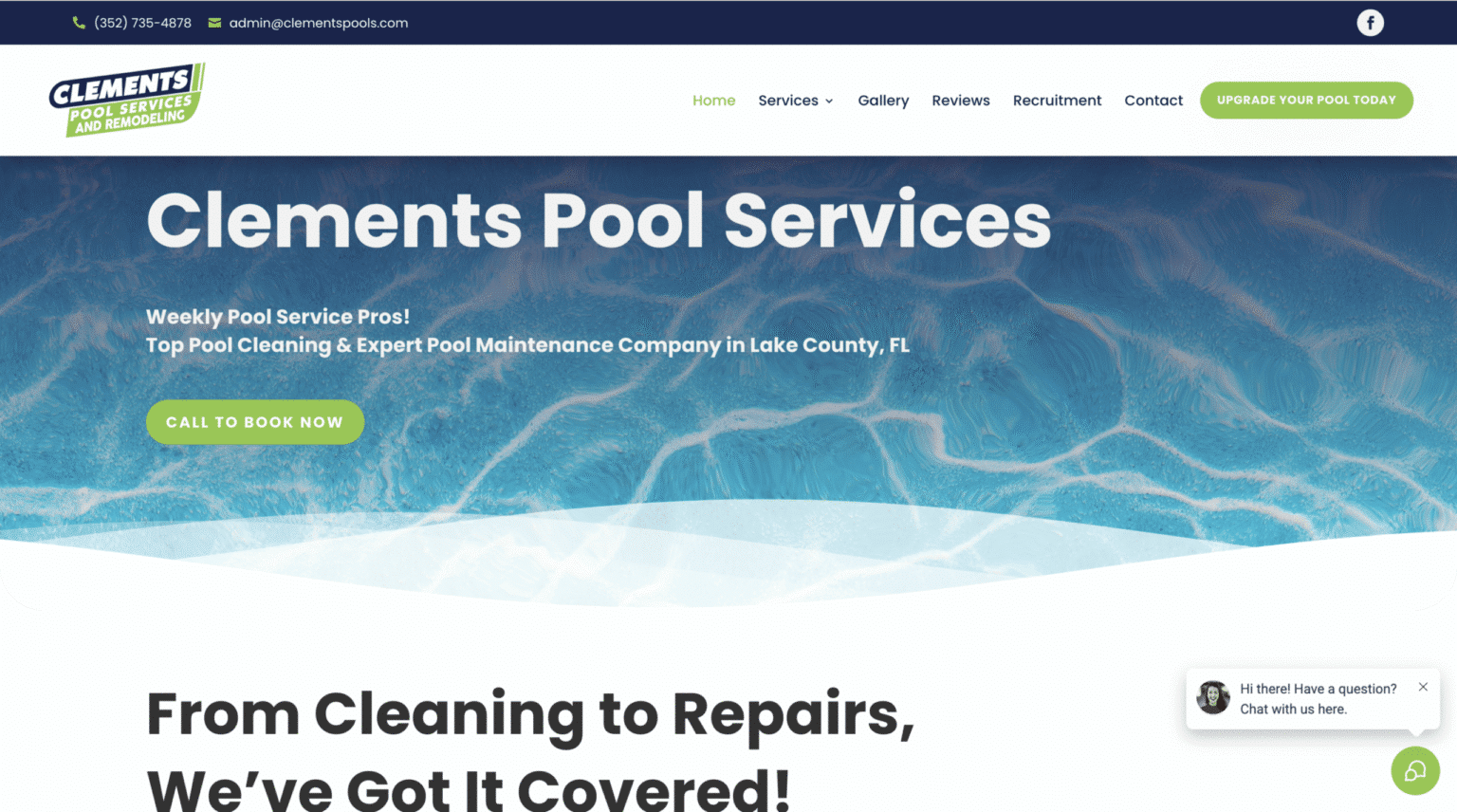
This kind of cleanup usually moves in a logical order:
- Verify that the Business Profile setup matches how the business operates, especially whether the address should be shown or hidden.
- Review the listed service areas and remove places you do not genuinely serve.
- Update core website pages so they clearly reflect actual coverage.
- Make sure contact details, hours, and key business information are consistent.
- Test mobile experience, accessibility, and page speed on the pages meant to generate calls.
That may sound simple, but it is where many contractor lead generation website projects produce gains. Not from chasing every possible keyword, but from making the business easier to understand and easier to contact.
When traffic is not the problem
Some contractors already have traffic. Their issue is that the site gets visits but not calls. In those cases, service-area confusion is often part of the bottleneck.
A page can rank and still fail to convert if it leaves basic local questions unanswered. I have seen pages with solid search visibility that buried service areas in a footer, used weak “surrounding areas” language, or sent visitors to generic contact forms with no reassurance about coverage. That kind of friction is easy to overlook when teams focus only on impressions or sessions.
Lead generation improves when the site respects the user’s immediate question: can you help me where I live? If the answer is yes, make it obvious. If the answer is no, do not hide that behind vague copy. Clarity filters bad leads while making good leads feel more confident.
That is the point many businesses miss when they ask how to get more leads for contractors. More leads does not always start with more reach. Sometimes it starts with more precision.
The businesses that win locally are usually the clearest
The strongest local performers are not always the ones making the biggest claims. Often, they are the ones communicating the clearest boundaries and the smoothest path to contact.
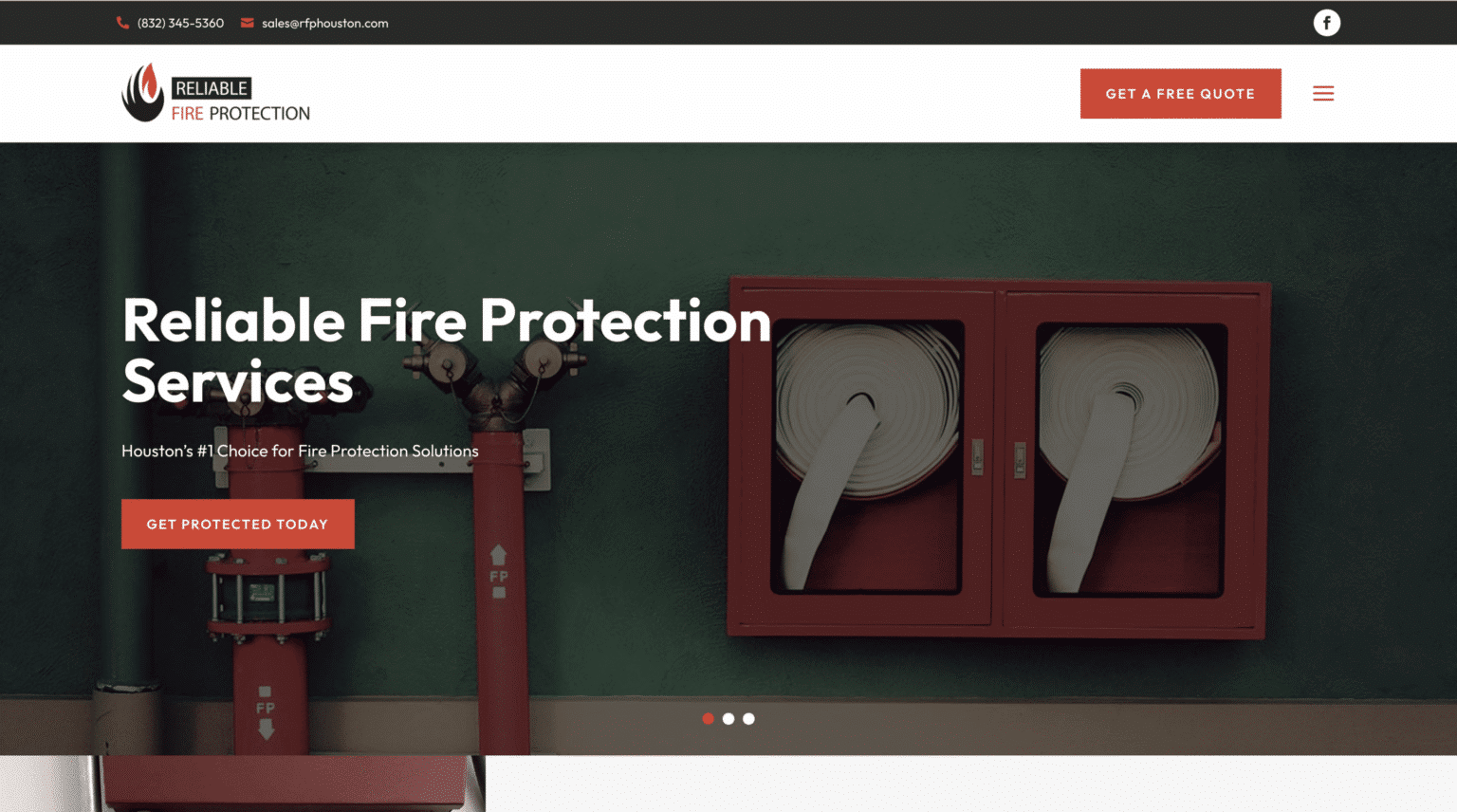
A verified Google Business Profile for contractors, specific service areas, a publicly accessible and technically sound website, fast mobile pages, honest reviews, and prompt follow-up, these are not glamorous tactics. They are operational basics that support local search visibility and lead conversion at the same time.
If you want a contractor website that generates leads, think less about sounding big and more about sounding accurate. Homeowners trust businesses that seem organized, local, and easy to reach. Google’s own guidance points in the same direction. Represent the business as it truly operates. Keep service areas specific. Make the website usable. Ask for genuine reviews. Respond promptly.
For local SEO for home service businesses, that combination does more than improve rankings. It improves the fit between your marketing and the work you actually want to win. And that is where better lead generation usually starts.